
Get Effective Sleep Apnea Testing & Diagnosis in Georgia
Sleep apnea testing in Georgia can help explain why you wake tired or why your partner notices pauses in your breathing. A home or laboratory study records what happens overnight, giving your medical provider information to diagnose sleep disorders and guide a diagnosis for sleep apnea and other sleep disorders.
At Sleep Better Georgia, our Dunwoody and Kennesaw teams help you understand the testing process and coordinate the next steps toward appropriate care.
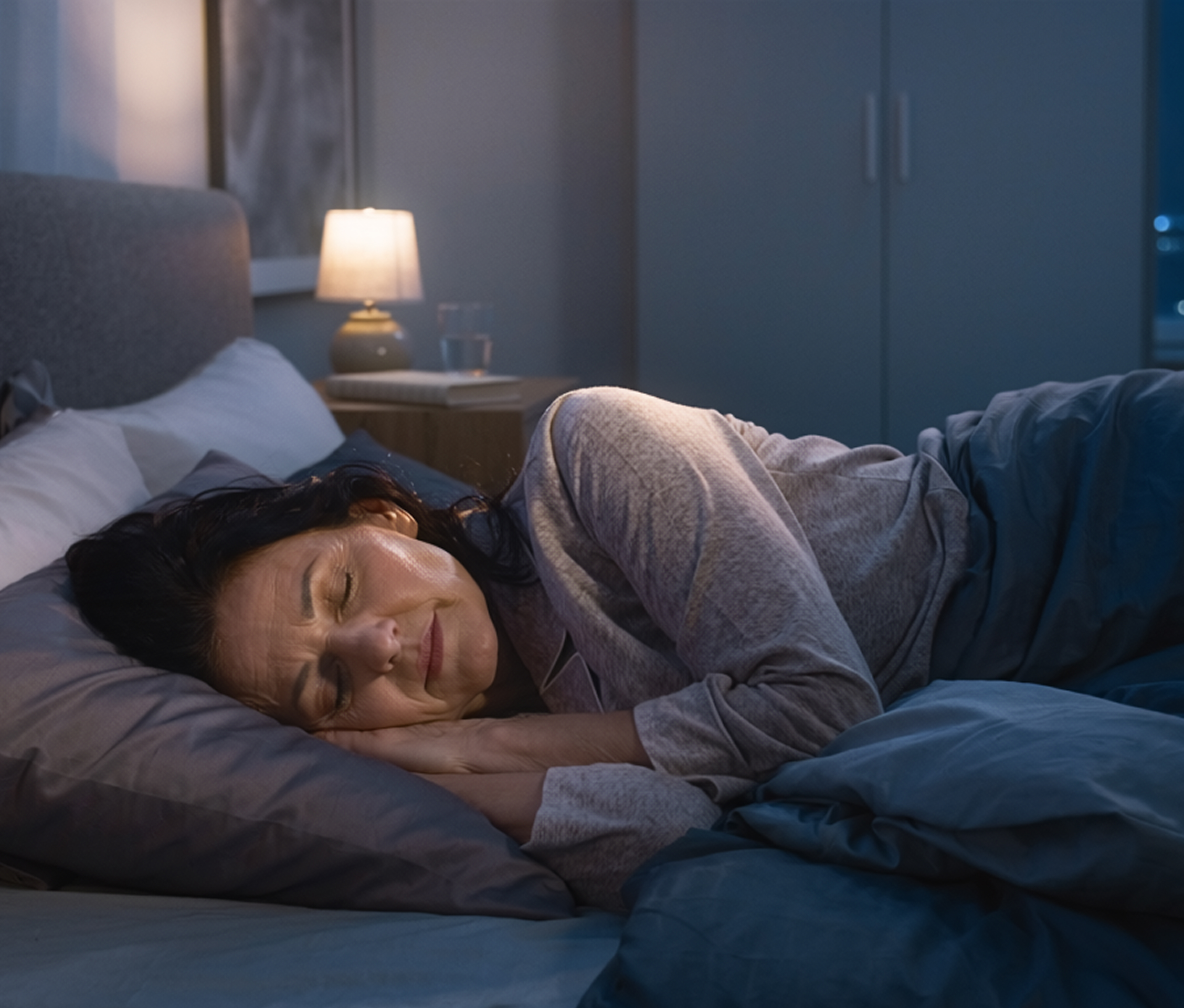
When Snoring and Daytime Tiredness Deserve a Closer Look
Snoring may be the first thing your partner notices, while you feel the effects during the day. Signs worth discussing include:
-
Witnessed pauses in breathing
-
Waking with gasping or choking
-
Morning headaches or dry mouth
-
Persistent daytime sleepiness
-
Trouble concentrating despite enough time in bed
These symptoms can occur with sleep apnea or other conditions, and many people who suffer from them don’t realize a sleep disorder is involved. An evaluation helps determine what needs investigating rather than assuming snoring or tiredness has a single cause.
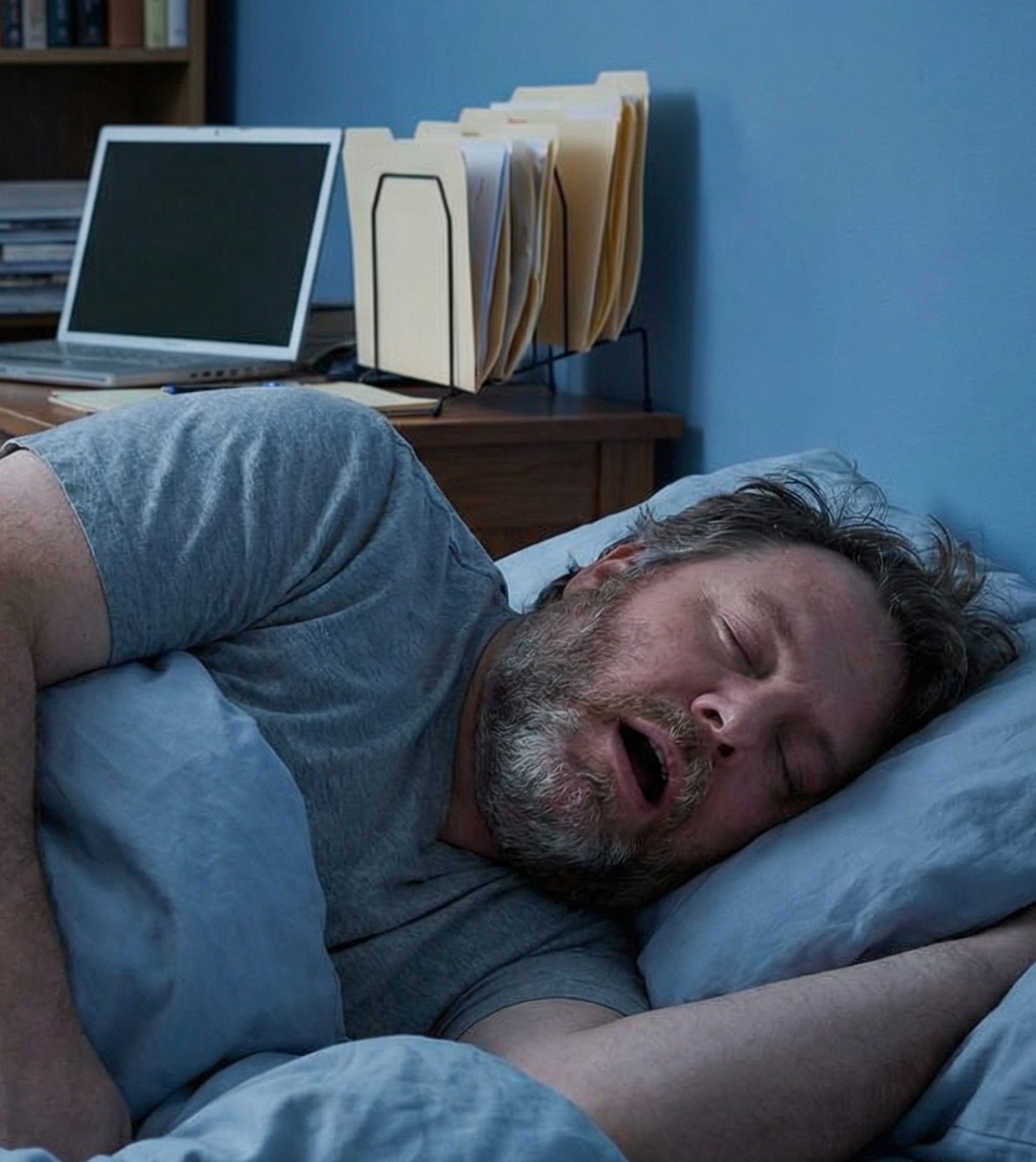

Your Dental Team and Sleep Medicine Physician: Who Does What?
Our dental team discusses your concerns, helps coordinate appropriate testing, and reviews a confirmed diagnosis when considering oral appliance therapy.
Your medical provider evaluates your symptoms and health history to determine which test is appropriate. A physician interprets the recorded information and explains the diagnosis.
A questionnaire can highlight possible risk, but it cannot confirm sleep apnea. Likewise, an automatic device score needs clinical review before it is used to make treatment decisions.
Home Sleep Apnea Test or In-Lab Sleep Study?
A home sleep apnea test uses portable equipment while you sleep in your own bed. It may be appropriate for adults whose symptoms suggest obstructive sleep apnea, provided their medical evaluation supports home testing.
Depending on the device, sensors may record:
-
Airflow or other breathing signals
-
Blood oxygen levels
-
Heart rate
-
The effort involved in breathing
A small finger sensor is commonly used to measure oxygen levels, although equipment varies — it’s an essential part of coordinated sleep care, whether testing happens at home or in a lab. Your testing provider explains what to wear and how to position it.
Did You Know? Research supports home testing for appropriately selected patients. A review of 59 studies found that portable sleep tests reliably identified obstructive sleep apnea in appropriately selected adults.
Preparing for a Home Sleep Test
Read the setup instructions before bedtime so you have time to ask questions and check the equipment.
Your preparation checklist:
-
Follow instructions about caffeine, alcohol, and daytime naps.
-
Ask whether to take your regular medications as usual.
-
Check whether lotions or other skin products could affect the sensors.
-
Confirm whom to contact if setup is unclear.
According to the Mayo Clinic’s sleep study guidance, preparation helps avoid interference with the recording. Follow your testing provider’s specific directions, and do not change prescribed medication on your own.
During the Night and After the Recording
Once the equipment is ready and positioned on your body, follow the instructions for your usual bedtime.
-
Position the sensors: Check that each component is secure and comfortable.
-
Start the recording: Confirm the device is operating as instructed before settling into bed.
-
Complete the test: Follow the morning instructions for stopping the recording and returning equipment or transferring data.
If a sensor comes loose, use the supplied troubleshooting guidance and tell the testing provider. Reporting equipment problems helps the interpreting physician assess whether the recording is usable.
In-Lab vs. Home Sleep Studies
Both options use advanced technology to provide diagnostic information, but they differ in what they record and the support available overnight, and your healthcare team can explain which fits your situation. Your medical evaluation helps determine which study can answer the questions about your sleep.
| What to expect | Home sleep apnea test | In-lab sleep study |
|---|---|---|
| Setting | Your own bed | Overnight at a sleep center |
| Measurements | Breathing signals, oxygen levels, and often heart rate | Additional signals, including brain activity, sleep stages, and movements |
| Overnight support | You apply equipment using instructions | A technologist monitors the study and can adjust sensors |
| Typical suitability | Selected adults with suspected OSA | Patients needing more comprehensive assessment |
| Scope | Primarily evaluates sleep-related breathing | Can investigate a broader range of sleep concerns |
When a Sleep Center Is Needed to Assess Sleep Disorders
Your provider may recommend laboratory testing if you have significant heart or lung disease, suspected central breathing problems, severe insomnia, or another condition that complicates assessment.
Insomnia alone does not automatically require a sleep study; the evaluation determines what is needed.
When selecting a sleep center, ask about its accreditation and whether it meets the highest standards for interpreting results, and how follow-up is arranged.

A Negative Home Test May Not Be the Final Answer
A negative result means the recording did not establish sleep apnea. An inconclusive result leaves uncertainty, while a technically inadequate test may lack enough reliable data; for example, because a sensor became disconnected.
If home testing is negative, inconclusive, or technically inadequate, AASM recommends a laboratory sleep study to complete the diagnostic assessment.
Understanding Your Sleep Study Results
Your physician reviews breathing disturbances, oxygen changes, and your medical history together. Two terms you may see are:
| Term | What it describes |
|---|---|
| AHI: Apnea-hypopnea index | Breathing pauses and partial reductions per hour of measured sleep |
| REI: Respiratory event index | Breathing disturbances per hour of monitoring time, commonly reported with home testing |
Because monitoring time may include periods when you were awake, the measurements are not always directly interchangeable.
A diagnosis may be described as mild, moderate, or severe. These categories help guide care, but treatment also depends on your symptoms, overall health, and individual needs.
How Long Does It Take to Get Results?
The recording: Testing usually takes place overnight, although your provider may request additional nights or another study if needed.
The review: Results require data transfer, quality checks, physician analysis and interpretation, and communication of the findings. Timing varies by testing provider and whether the recording is complete.
Before testing, confirm when to expect your results, who will explain them, and whom to contact if you have not heard back.


After Diagnosis: Choosing Your Next Step
Once the findings are explained, your provider can discuss sleep apnea treatment options suited to your diagnosis, severity, and health history.
Depending on your needs, we can explore a variety of care options, including:
-
CPAP or another prescribed airway-pressure treatment
-
A custom oral appliance for appropriate patients
-
Lifestyle measures or further specialist evaluation
Sleep Better Georgia focuses on oral appliance therapy, reviewing your diagnosis and oral health to determine whether a custom device is suitable.
Follow-up testing may be recommended to check treatment effectiveness. Feeling better is valuable, but objective results help establish whether breathing interruptions are adequately controlled.
Will My Sleep Study Be Covered by Insurance?
Coverage depends on your plan, the reason for testing, the type of study, and the providers involved. A physician’s order does not automatically mean every charge is covered.
Before scheduling, ask your insurer:
-
Are the testing provider and interpreting physician in network?
-
Is prior authorization required?
-
Does my plan require home testing first?
-
What deductible or coinsurance will I owe?
-
Are interpretation and follow-up appointments billed separately?
Ask the testing provider for an estimate of your expected costs.
Home testing may cost less than a laboratory study, but your medical needs should guide the choice. If laboratory testing is recommended, clarify any authorization requirements before proceeding.
Sleep Apnea Testing in Georgia: Local Sleep Care and Coordination
Dunwoody Office
1719 Mt Vernon Road
Dunwoody, GA 30338
Phone: (770) 394-4310
Kennesaw Office
1690 Stone Village Lane NW, Suite 1001
Kennesaw, GA 30152
Phone: (770) 288-5991
Frequently Asked Questions
Will a home sleep apnea test hurt?
What if I cannot sleep with the equipment on?
Can my smartwatch diagnose sleep apnea?
What should I bring to an overnight sleep study?
Ask About the Right Sleep Test for You
Our Dunwoody and Kennesaw teams are ready to help you understand the next step today, whether you have a referral, previous results, or questions about getting evaluated. Read on to see which option fits your symptoms.