
What Is Sleep Apnea and How Is It Treated?
Understanding what sleep apnea is can help people recognize why they feel tired even after a full night’s sleep.
Sleep apnea is a common but serious sleep disorder where breathing repeatedly stops and starts during sleep. These pauses can last from a few seconds to minutes and may occur many times per hour.
When breathing resumes, it often does so with a loud snort or choking sound. This cycle disrupts normal sleep, often without waking, preventing you from reaching the deep, restorative stages of sleep, which can lead to severe daytime fatigue and long-term health consequences.
At Sleep Apnea Georgia, we help patients identify and treat this condition for better rest and overall health.

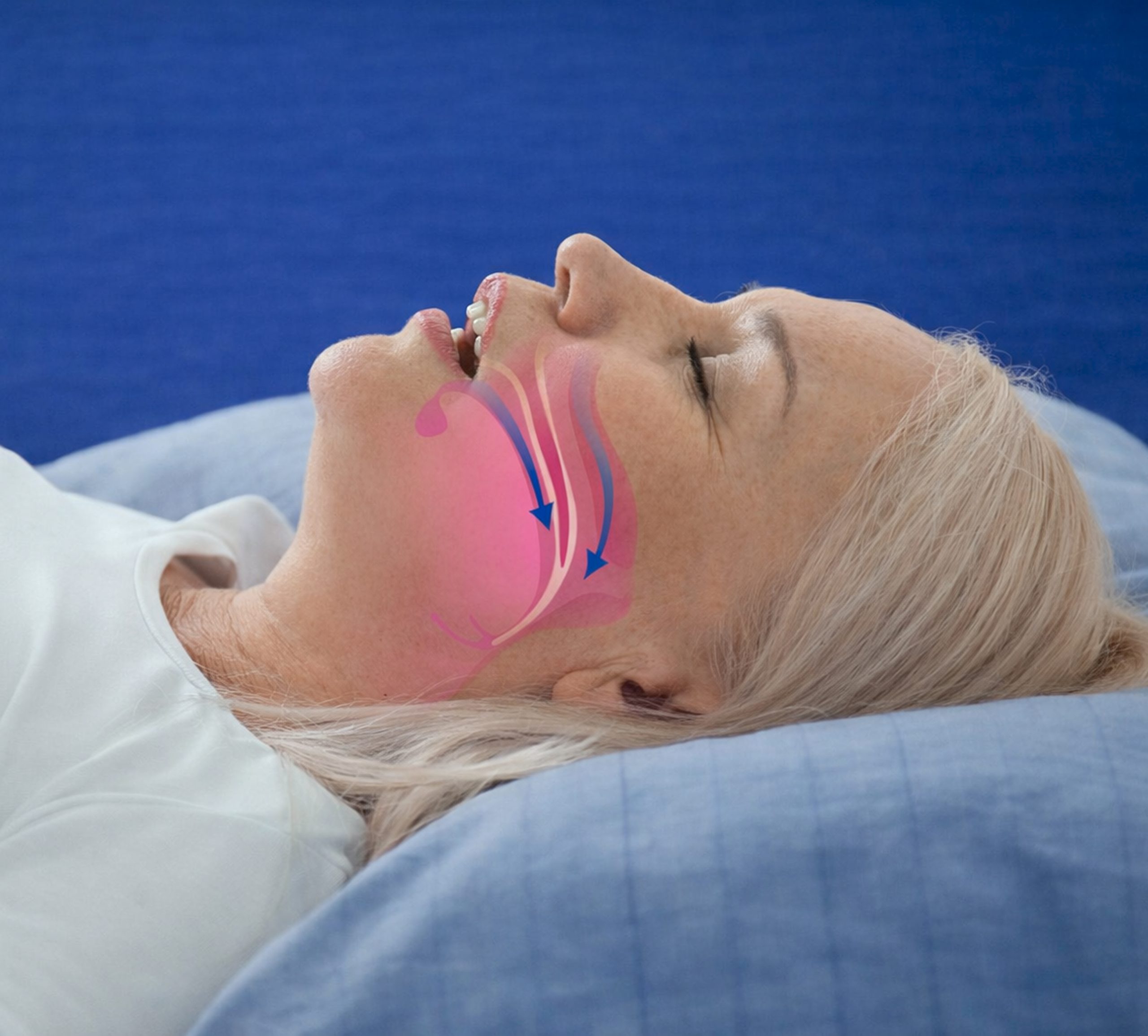
What Exactly Happens During an Apnea Event?
An “apnea” is a complete pause in breathing for at least 10 seconds. A related term, “hypopnea,” refers to a partial blockage causing shallow breathing. Both events drastically reduce oxygen flow to your brain and body.
During an episode:
- The airway at the back of your throat collapses or becomes blocked.
- Your breathing stops, causing oxygen levels in your blood to drop.
- Your brain disturbs your sleep, waking or not, to restart your breathing.
- This cycle repeats throughout the night, fragmenting your sleep.
Affecting over 1 billion people worldwide, it’s often undiagnosed, especially in adults over 40, those who are overweight, or those with certain anatomical features.
The Main Types of
Sleep Apnea

1. Obstructive Sleep Apnea (OSA)
Obstructive sleep apnea is the most common form of apnea. It happens when the throat relaxes too much and blocks the upper airway during sleep. This obstruction reduces airflow and lowers oxygen levels until the body wakes up briefly to reopen the airway.
Some symptoms of obstructive sleep apnea often include:
- Loud or chronic snoring
- Gasping or choking during sleep
- Morning headaches
- Dry mouth upon waking
- Daytime fatigue or sleepiness
- Difficulty concentrating
The American Academy of Sleep Medicine estimates that nearly 30 million adults in the United States have obstructive sleep apnea, yet many remain undiagnosed.

2. Central Sleep Apnea (CSA)
Central sleep apnea is less common. It occurs when the brain temporarily stops sending signals that control breathing. In this case, the airway is open, but the body does not attempt to breathe for short periods.
Central sleep apnea is often associated with neurological conditions, heart conditions, or certain medications.

3. Complex Sleep Apnea Syndrome
Complex sleep apnea is a combination of obstructive and central sleep apnea.
It may be discovered when someone begins treatment for obstructive sleep apnea, and central breathing pauses also appear.
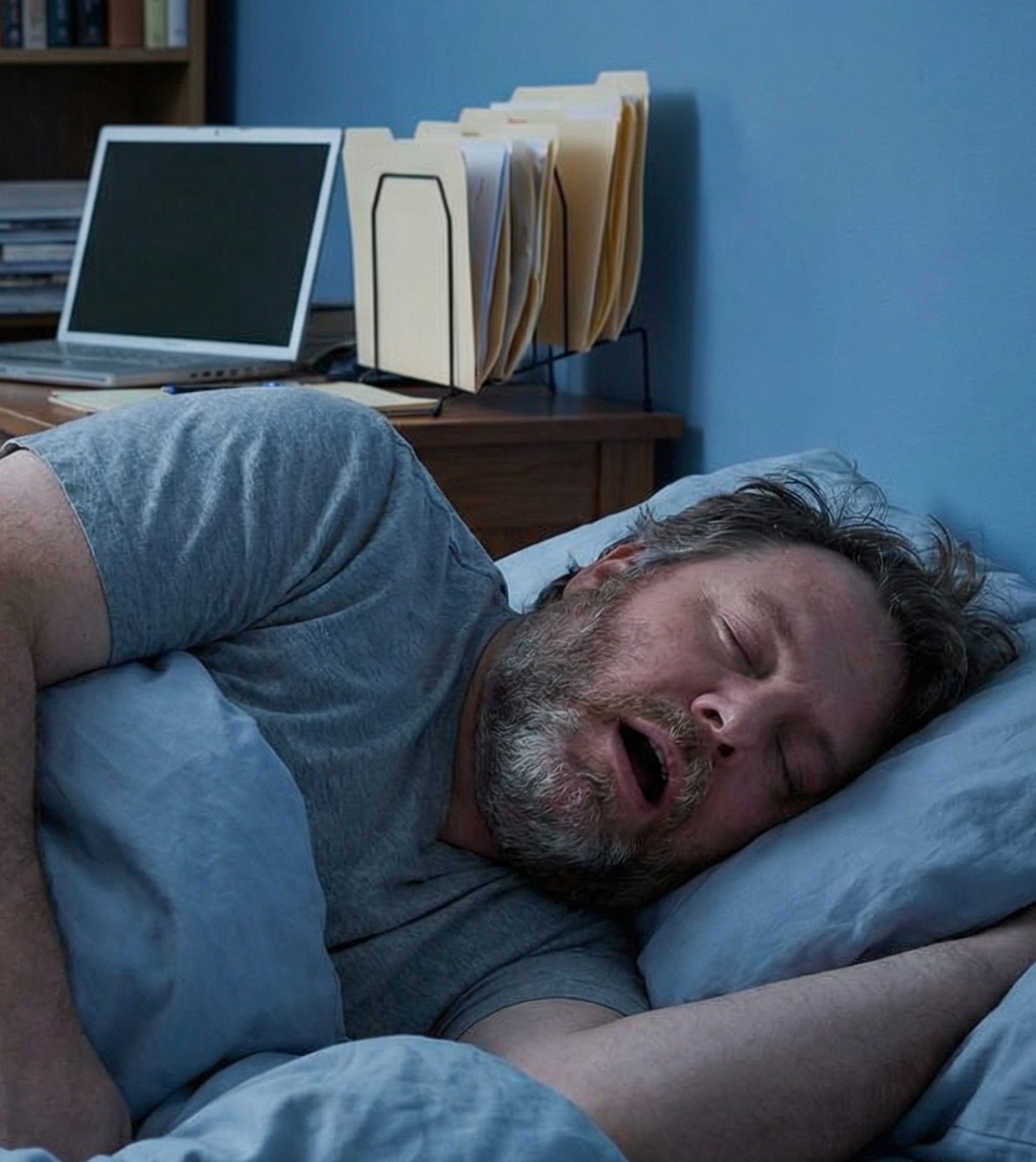
Why Sleep Apnea
Happens
Several factors can increase the risk of developing sleep apnea. These include both anatomical and lifestyle influences.
Men are diagnosed with sleep apnea more often than women, although the condition is common in both. Many adults experience sleep apnea symptoms without realizing the condition is affecting their health.
Common risk factors include:
- Excess weight
- A narrow airway or large tonsils
- Family history of sleep apnea
- Smoking
- Alcohol use before bed
- Nasal congestion
- Aging
Think you may be at risk?
Benefits of Early Sleep Apnea Diagnosis
Sleep apnea is more than a sleep problem. It can affect many systems in the body when left untreated.
Research shows that untreated sleep apnea is associated with several serious health risks, including:
- High blood pressure
- Heart disease
- Stroke
- Type 2 diabetes
- Memory problems
- Mood changes
Because oxygen levels repeatedly drop during sleep apnea episodes, the cardiovascular system experiences extra strain. Over time, this stress can contribute to chronic health conditions.
Sleep apnea can also increase the risk of daytime accidents and poor work performance
due to fatigue and impaired concentration.
Understanding the Mechanics and
Risk Factors of Sleep Apnea
How Sleep Apnea Affects Breathing and Oxygen Levels
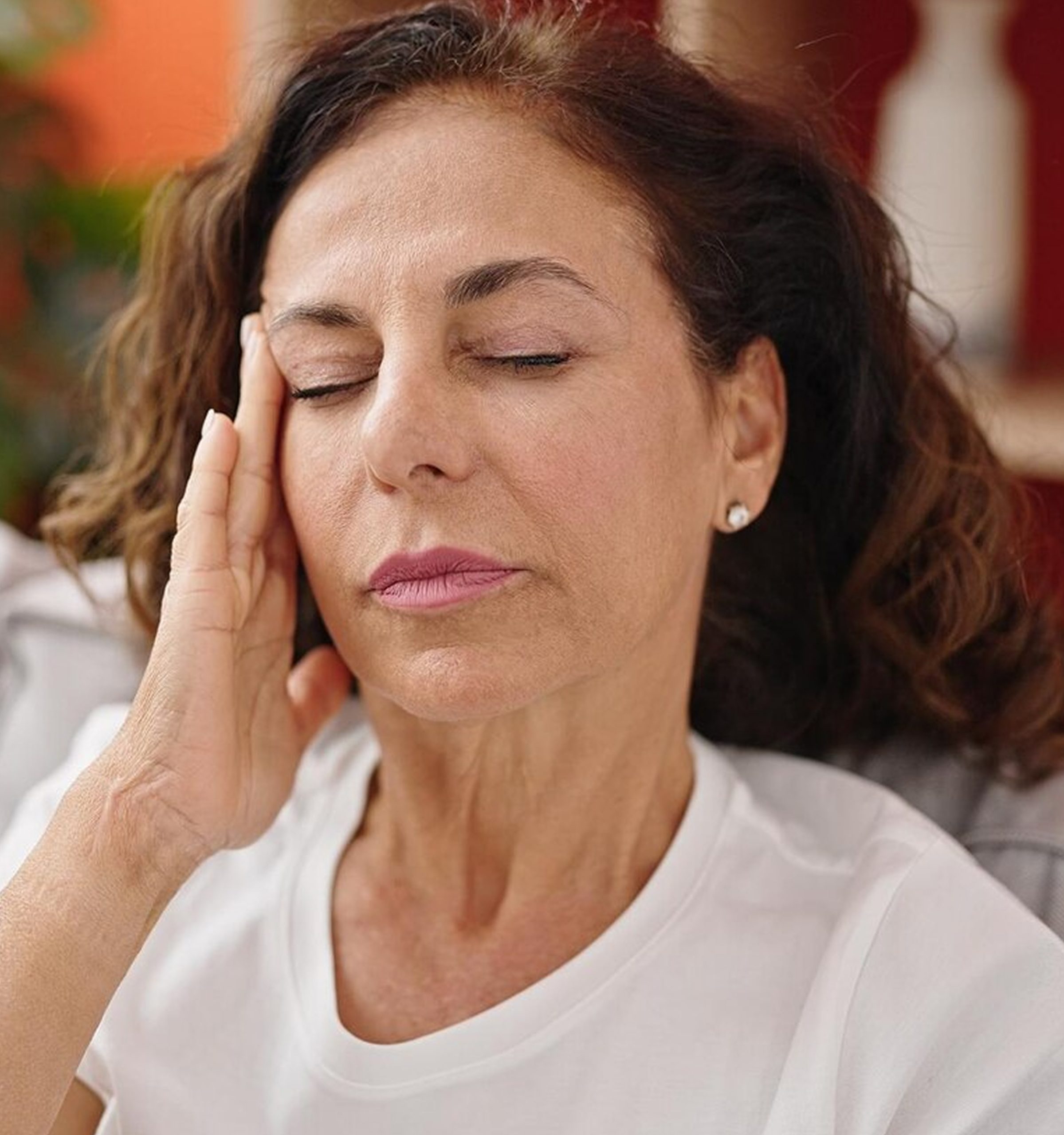
Sleep apnea interrupts normal breathing patterns, causing repeated pauses where the brain and body struggle to get enough oxygen. During these episodes, the upper airway muscles, including the throat muscles and soft palate, may relax too much. The upper chest works harder to pull in air, but oxygen levels drop, and the body must start or resume breathing to survive. These disruptions prevent restful sleep and contribute to daytime sleepiness and other symptoms like morning headaches or fatigue.
Risk Factors That Increase the Likelihood of Sleep Apnea
Certain conditions and behaviors put individuals at higher risk for sleep apnea. Recognizing these risk factors can help patients and their healthcare provider take action early. Key contributors include:
- Excess weight or excess tissue around the airway
- Family history of sleep apnea
- Narrow airway or enlarged tonsils
- Smoking and alcohol use before bed
- Aging and natural changes in upper airway muscles
- Nasal congestion and breathing problems
- Lifestyle habits that affect sleeping position
Tools and Devices to Support Healthy Sleep
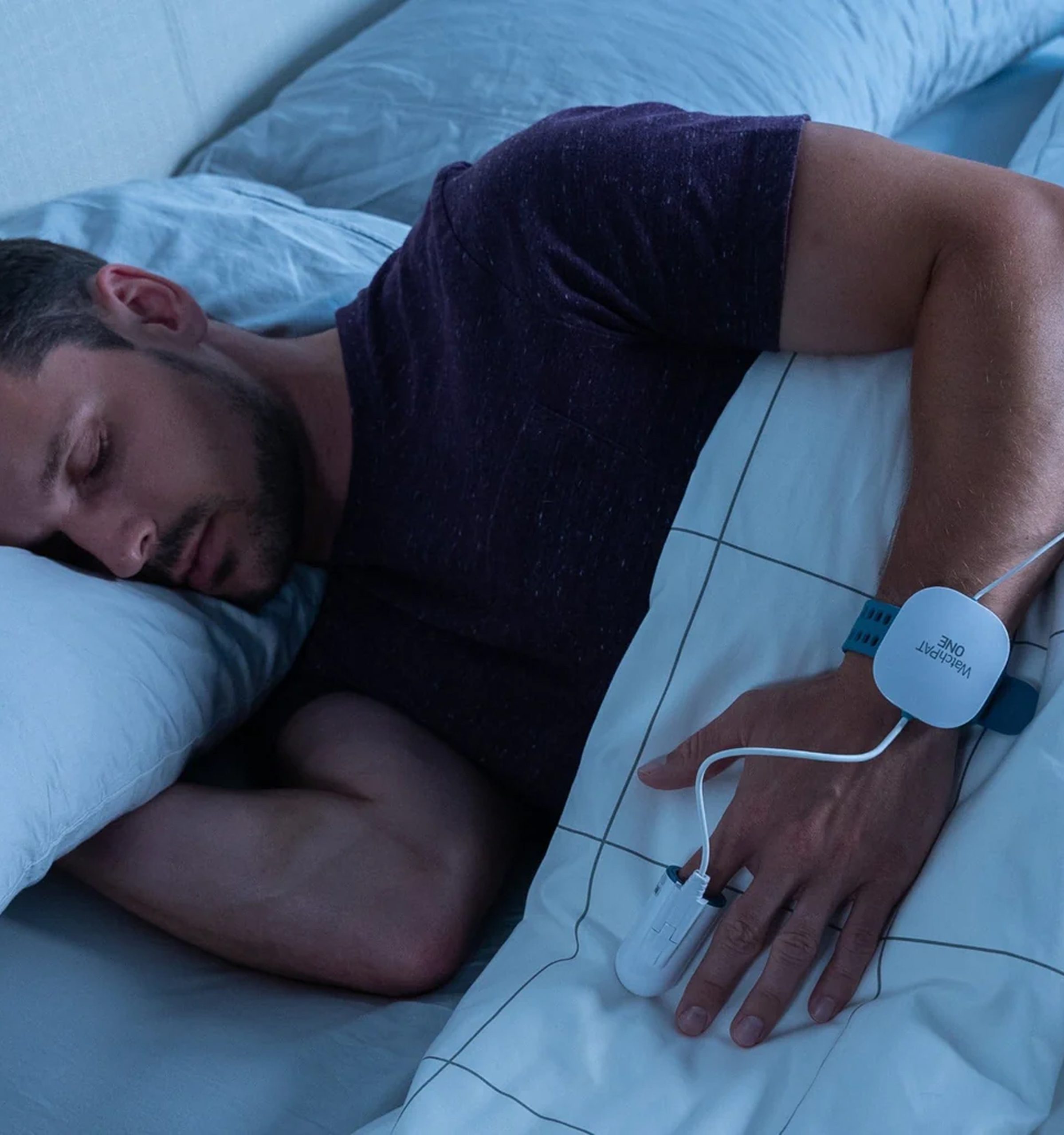
Several strategies and breathing devices can reduce the impact of sleep apnea. For some patients, weight loss and adjusting sleeping position can help. CPAP therapy and oral appliances maintain airway patency, ensuring enough oxygen during sleep. A home sleep apnea test may also help identify abnormal breathing patterns and other early indicators of sleep-disordered breathing.
Signs You Might Have
Sleep Apnea
Common warning signs include:
- Loud, persistent snoring
- Pauses in breathing during sleep
- Waking up gasping for air
- Excessive daytime sleepiness
- Difficulty staying asleep
- Morning headaches
- Irritability or mood changes
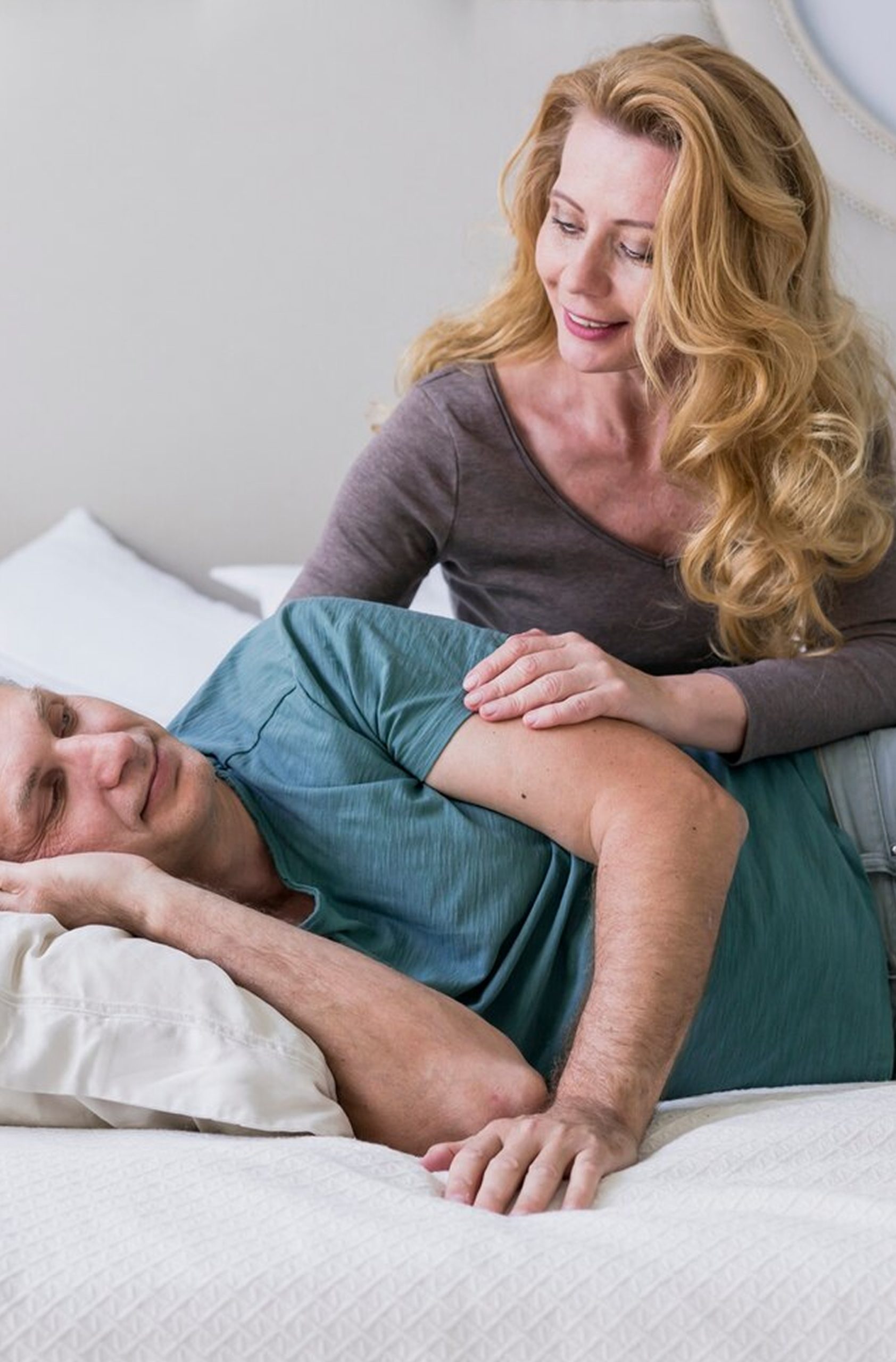
Many people discover sleep apnea after a partner notices unusual breathing patterns during sleep. However, there are several symptoms that may indicate a sleep disorder.
Children can also develop sleep apnea, though the symptoms may appear differently. Behavioral changes, difficulty concentrating, or restless sleep may be signs that a child needs evaluation.
Recognizing these symptoms early allows patients to seek treatment before complications develop.
How is Sleep Apnea Diagnosed
A sleep apnea diagnosis typically begins with a consultation and sleep study. The sleep study monitors breathing, oxygen levels, heart rate, and sleep patterns throughout the night.
Sleep studies may be conducted in a sleep lab or at home, depending on the patient’s needs and the physician’s recommendations.
Sleep Apnea Treatment Options
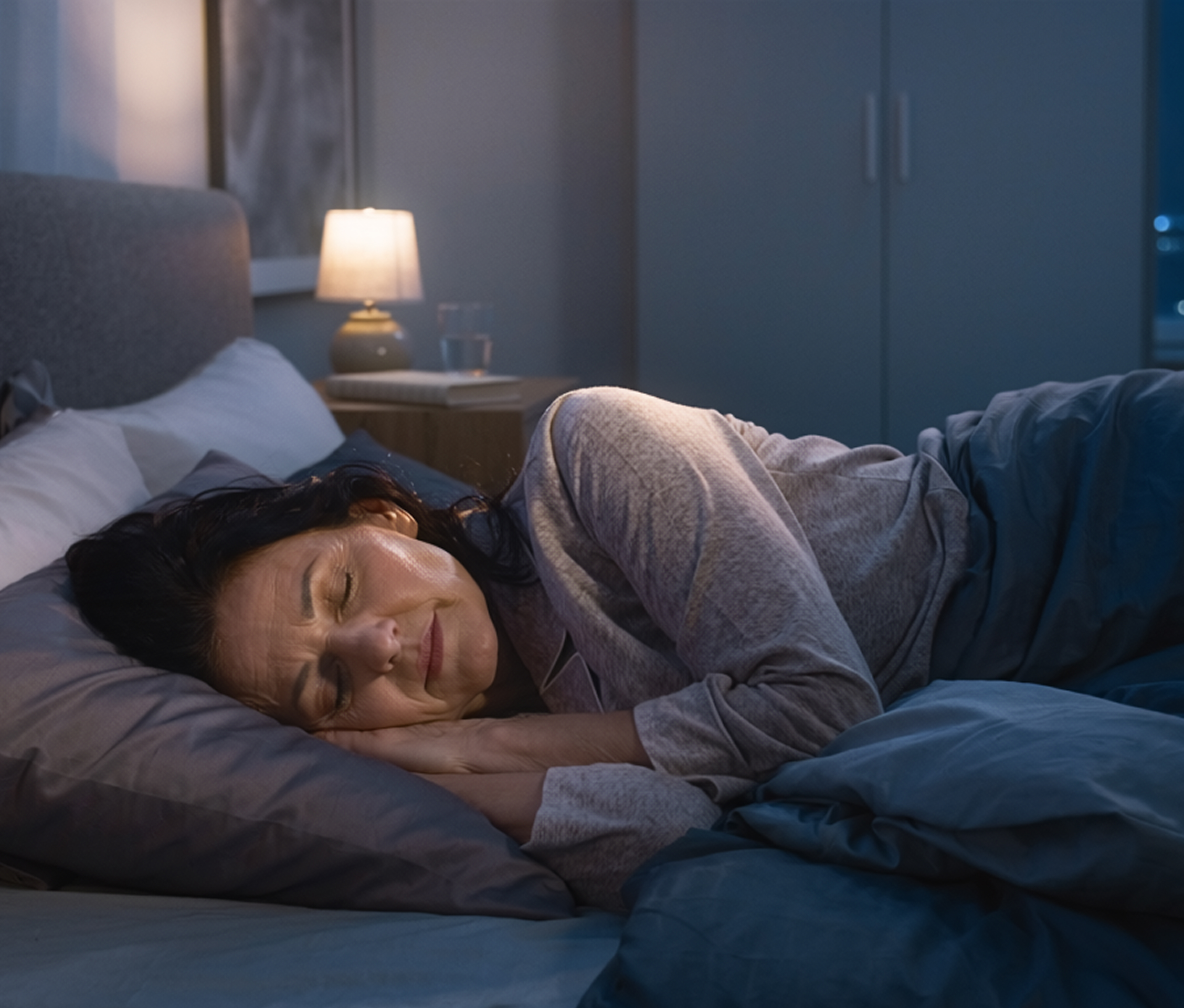
Treatment depends on the type and severity of sleep apnea. The treatment goal is to maintain airway patency during sleep and restore normal breathing patterns.
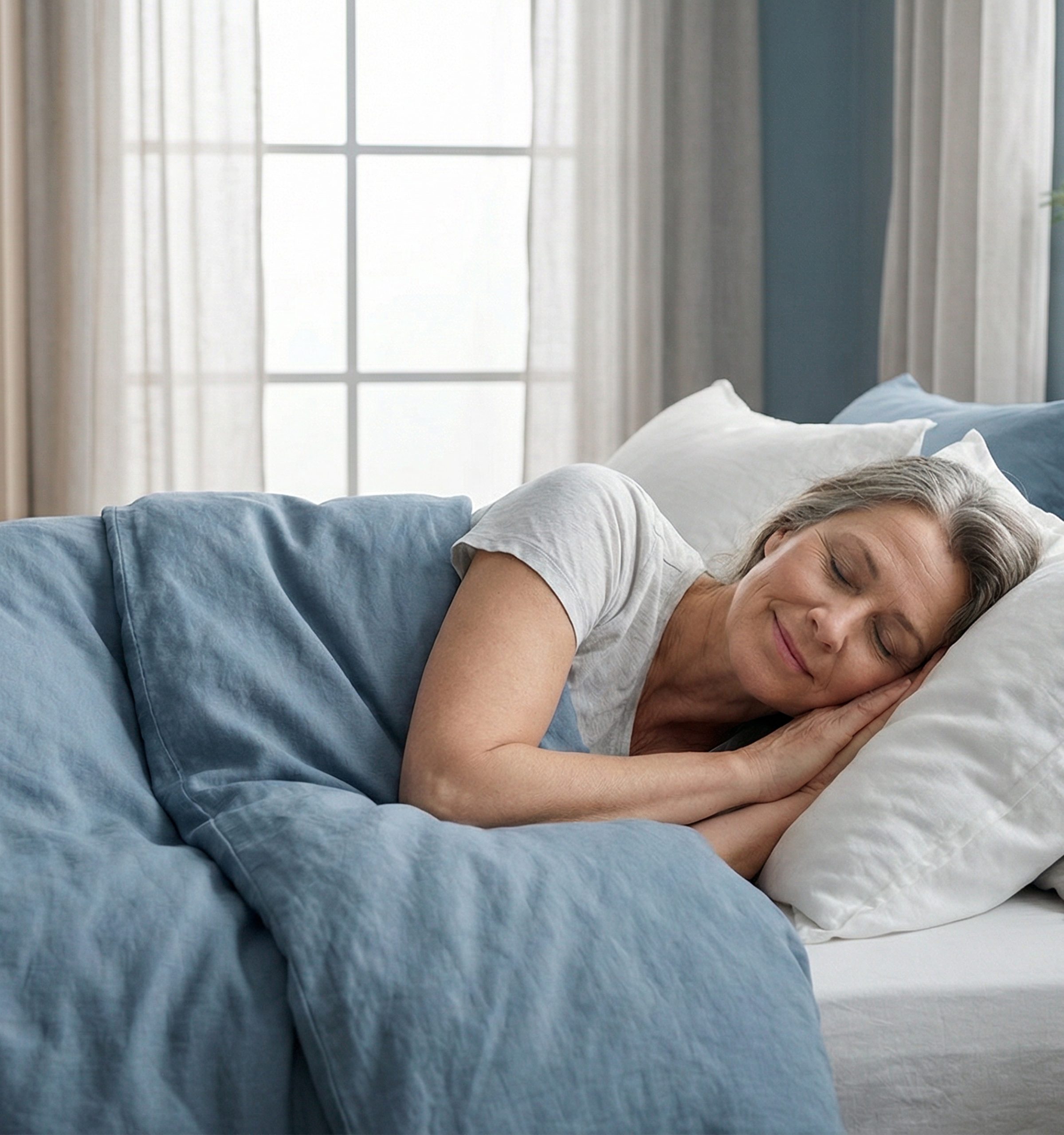
When sleep apnea is treated properly, patients often experience significant improvements in sleep quality, daytime energy, and overall health.
Oral Appliance Therapy
Oral appliance therapy uses a custom-fitted dental device worn during sleep. The appliance gently repositions the jaw to keep the airway open.
This treatment is often recommended for patients with mild to moderate sleep apnea or sever patients who cannot tolerate CPAP therapy. Many patients prefer oral appliances because they are small, portable, and comfortable.
CPAP Therapy
CPAP stands for Continuous Positive Airway Pressure. A CPAP machine delivers a steady stream of air through a mask to keep the airway open during sleep.
CPAP is widely used and can be very effective, though many patients find it difficult to adjust to the mask or equipment.
Lifestyle Changes
Certain lifestyle adjustments can help reduce sleep apnea symptoms, including:
- Weight management
- Improving sleep position
- Reducing alcohol intake before bedtime
- Treating nasal congestion
For some patients, combining lifestyle improvements with medical treatment leads to the best outcomes.

When to Seek Help
Many people with sleep apnea assume snoring is harmless. Persistent snoring combined with fatigue or breathing pauses during sleep should be evaluated by a professional.
Early treatment can improve sleep quality, energy levels, and long-term health. Patients often report significant improvements in daily alertness and overall well-being once sleep apnea is treated.
Sleep specialists and dental sleep medicine providers at Sleep Better Georgia work together to develop personalized treatment plans based on each patient’s needs.
Frequently Asked Questions
to
Diagnose Sleep Apnea
Is snoring always a sign of sleep apnea?
Not always. A few people snore occasionally without having sleep apnea. Snoring—whether noticed by you or reported by someone else—is a common sign that you should be evaluated for sleep apnea.
Can sleep apnea go away on its own?
Sleep apnea does not resolve without treatment. Weight changes or lifestyle adjustments may reduce symptoms, but a medical evaluation is still recommended to ensure breathing remains stable during sleep.
Are oral appliances effective for sleep apnea?
Oral appliance therapy is a proven treatment for obstructive sleep apnea. These custom devices help keep the airway open during sleep.
Can sleep apnea affect daytime energy?
Yes. Because sleep apnea repeatedly interrupts sleep, many patients experience fatigue, brain fog, and reduced concentration during the day.
Better Sleep Starts When You
Treat Sleep Apnea
Understanding what sleep apnea is can help patients recognize symptoms and seek proper care. If you suspect sleep apnea may be affecting your sleep, contact Sleep Better Georgia today for patient-friendly solutions that improve breathing during sleep and help restore healthy rest.